What XLPE is
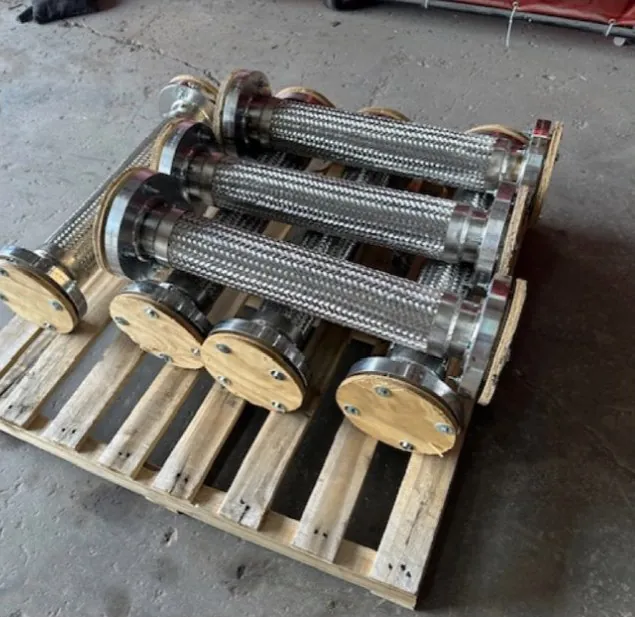
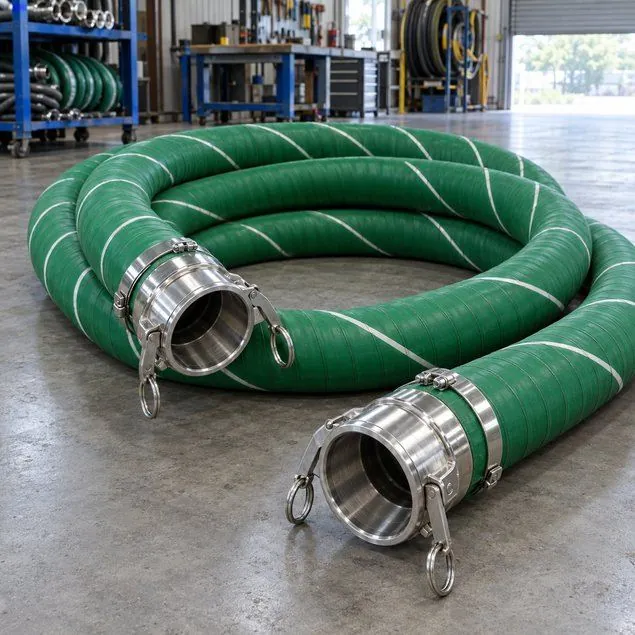
XLPE is polyethylene that has been cross-linked for strength and heat resistance. As a hose tube it sits between rubber and the premium materials. XLPE offers much higher performance than rubber and is much more economical than fluoropolymers or metal hose. Typical construction is an XLPE tube, synthetic fabric plies and a wire helix, under an abrasion-resistant cover.
Where it fits
XLPE hose handles the majority of common industrial chemicals, solvents and corrosive liquids in pressure, gravity-flow or suction service. Makers publish resistance charts for each chemical and temperature, and we check your media against them.
- In-plant transfer of acids, caustics and other common chemicals.
- Tank and tote transfer where the helix lets the hose pull suction.
- Budget-sensitive lines where the chemical is well within XLPE’s chart.
XLPE or UHMWPE?
Be candid with yourself about the media list. At least one major hose maker discontinued XLPE in favor of UHMWPE, citing UHMWPE’s higher temperature capability and wider chemical compatibility at comparable cost. If the hose will see many different chemicals, hot service or aggressive solvents, we will usually suggest UHMWPE. If the chemical is known and well within XLPE’s chart, XLPE does the job.
What we need
- Chemical name and concentration
- Temperature
- Pressure or vacuum
- Size and length
- End fittings and material
- Other products the hose may see
From the Technical Reference
Tools for this job
Free tools you can use now, then email the result to Patriot FTS for a quote.
Ratings and dimensions are confirmed by Patriot FTS at quote.